Things to Do in Ithaca
Gorge-carved, lake-cold, and the best-fed college town in America
Top Things to Do in Ithaca
Find activities and tours you'll actually want to do. Book through our partners -- no booking fees.


Plan Your Trip
Essential guides for timing and budgeting
Climate Guide
Best times to visit based on weather and events
View guide →Day Trips
The best excursions and nearby destinations worth the journey
Explore day trips →Where to Stay
Best neighbourhoods, hotel picks, and booking tips
Find hotels →Travel Insurance
What's required, what coverage matters, and how to get a quote
Read guide →What to Pack
Climate-specific gear, essentials, and what to leave at home
See packing list →When Should You Visit Ithaca?
Tap a month for weather, crowds, and highlights
View full year-round climate guide →Explore Ithaca
Your Guide to Ithaca
About Ithaca
The first thing you hear in Ithaca isn't traffic, it's water. Fall Creek drops over a ledge of Devonian shale right at the edge of town, a sixty-foot curtain of mist and noise that most cities would build a national park around, and here it's just the view from Lake Street. That sets the tone for a place that treats natural spectacle as furniture.
Taughannock Falls, ten minutes north along Cayuga Lake, drops two hundred and fifteen feet, taller than Niagara, into a gorge shaped like the inside of a cathedral, where the spray hits your face before you can see the bottom. Buttermilk Falls stacks itself down a series of rock ledges on the south side of town, and in summer the pools between the cascades fill with swimmers who've decided a waterfall counts as a public pool.
The town itself sits wedged between gorges at the southern tip of Cayuga Lake, all steep hills and bookshops and restaurants far too good for a place of thirty thousand people. Walk the Sagan Planet Walk from the Commons to the Sciencenter, the whole solar system at one-to-five-billion scale, and you'll understand a town that thinks bigger than its census count.
The Ithaca Farmers Market at Steamboat Landing on a Saturday morning, set on the lakeshore under white tents with the smell of wood-fired pizza and fresh-pressed cider cutting through the fog, is likely the best in the Northeast, and that's not hometown boosterism. Downtown on the Ithaca Commons, the pedestrian mall through the center of things carries the slightly rumpled energy of a place more interested in used vinyl and hard cider than polished storefronts.
Winter is the honest trade-off: Ithaca gets properly cold, the kind where the lake steams at dawn and the gorge trails close under ice, and late February feels like it will never end. But the gorges are why people come, and the food and the lake and the stubborn independence of the place is why they stay longer than they planned.
Travel Tips
Transportation: Ithaca is walkable, the Commons to Cornell's campus is about twenty minutes uphill, though that hill will remind your calves it exists on the way back. TCAT buses connect downtown to the campus, the state parks, and surrounding towns on reliable schedules, and fares are low enough that driving downtown is rarely worth the parking hassle. The catch is getting here: Ithaca Tompkins Regional Airport is tiny, with limited flights that tend to cost more than flying into Syracuse and driving the hour south. For the gorge state parks and the Cayuga Wine Trail along the lake's eastern shore, you want a car. Ride-hailing thins out fast past the town limits.
Money: Ithaca runs on a college-town economy, which means the food is cheaper than you'd expect and the lodging costs more than it should, during Cornell's graduation weekend in late May when anything with a bed triples in demand. Cards work everywhere downtown. But the Farmers Market vendors split between card-only and cash-only, and the stalls selling the best cider donuts tend to be cash. The bar scene concentrates around Collegetown and the Commons, and college-town pricing keeps drinks reasonable most of the year. Budget travelers eat extremely well here, the market and the food trucks along the Commons keep the floor surprisingly low.
Cultural Respect: Ithaca is one of the most progressive small towns in America, and it wears that identity with a certain unselfconscious earnestness, you'll notice it in the co-ops, the community gardens, the sheer density of bumper stickers per capita. The etiquette that matters most is practical: stay on marked trails in the gorges, because the shale ledges are dangerous when wet and rescue teams get called out more often than the town would like. At the Farmers Market, talk to the vendors, most of them grow what they sell and have sharp opinions about how to cook it. On Cornell's campus, the gorge bridges are not the place for daredevil photos. People have died. The signs are not decorative.
Food Safety: The Ithaca Farmers Market at Steamboat Landing is the anchor of the food scene and worth planning a trip around, it runs Saturdays from April through December on the lakeshore, and the wood-fired pizza, fresh-rolled samosas, and smoked fish stands are meals, not snacks. Collegetown, the dense strip along Dryden Road below Cornell, stacks Thai, Korean, Ethiopian, and ramen spots into a few walkable blocks. The GreenStar Co-op on West Buffalo Street is worth a stop for local cheese and Finger Lakes provisions. One warning: Ithaca's restaurant scene punches hard for a town this size. But many places close early or stay dark on Mondays. Showing up hungry at nine on a Tuesday is a gamble.
When to Visit
Ithaca's seasons arrive like four different towns sharing the same address. Summer, roughly June through August, is peak season for good reason: daytime temperatures sit between 24 and 29 degrees Celsius (75 to 85 Fahrenheit), the gorge swimming holes open up, Cayuga Lake warms enough for kayaking off Stewart Park, and the Farmers Market runs at full capacity.
The Ithaca Festival in early June brings live music and street performances to the Commons. Lodging fills fast on weekends, and rates climb accordingly. Booking a month ahead in July is late, not early. The trade-off is that Taughannock Falls and Buttermilk Falls State Park get crowded on Saturday afternoons. Go early morning or midweek if you want the gorge trails and the sound of water to yourself.
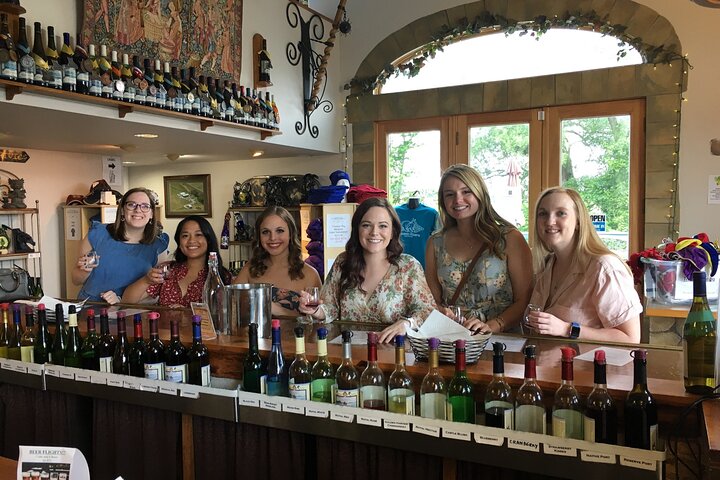
Autumn is Ithaca's strongest argument. Late September through mid-October, the gorges turn copper and crimson, the Apple Harvest Festival fills the Commons with cider and live music, and the Finger Lakes wine harvest brings tasting weekends along the Cayuga Wine Trail. Temperatures cool to 10 to 18 degrees Celsius (50 to 65 Fahrenheit), the summer crowds thin out, and hotel rates drop noticeably.
The apple orchards south of town open for picking, and the Farmers Market shifts to root vegetables, pressed cider, and squash, a different abundance, earthier and quieter. Winter is honest. December through March, Ithaca sits under grey skies more often than not, temperatures regularly fall below minus 10 Celsius (14 Fahrenheit), and the gorge trails close under sheets of ice.
Cayuga Lake generates its own weather, and lake-effect snow can dump a foot overnight with little warning. But the town doesn't hollow out the way resort destinations do; Cornell keeps the restaurants open and the cultural calendar full, and lodging rates drop to roughly half of what summer commands, sometimes less. If you handle cold well, the frozen gorges are stark and extraordinary, and you'll have them entirely to yourself.
Spring is the sleeper pick. April and May bring Ithaca's waterfalls to their most powerful. Snowmelt swells every creek in the county, and Taughannock at peak flow is a different spectacle entirely from its late-summer trickle. Wildflowers push through the gorge floors, and the campus hums with end-of-semester energy. The downside is mud, weather that swings between 5 and 20 Celsius (40 to 68 Fahrenheit) within the same week, and trails that can be slippery or partially closed.
But the energy of a college town shaking off winter carries real momentum, and you'll eat well at rates that haven't caught up to the season yet.
More Ways to Experience Ithaca
Tours, day trips, and local experiences curated by on-the-ground operators.
Didn't see anything interesting yet?
Browse Viator's full catalog of tours, day trips, food experiences, and private guides in Ithaca.
See All Ithaca Tours on Viator